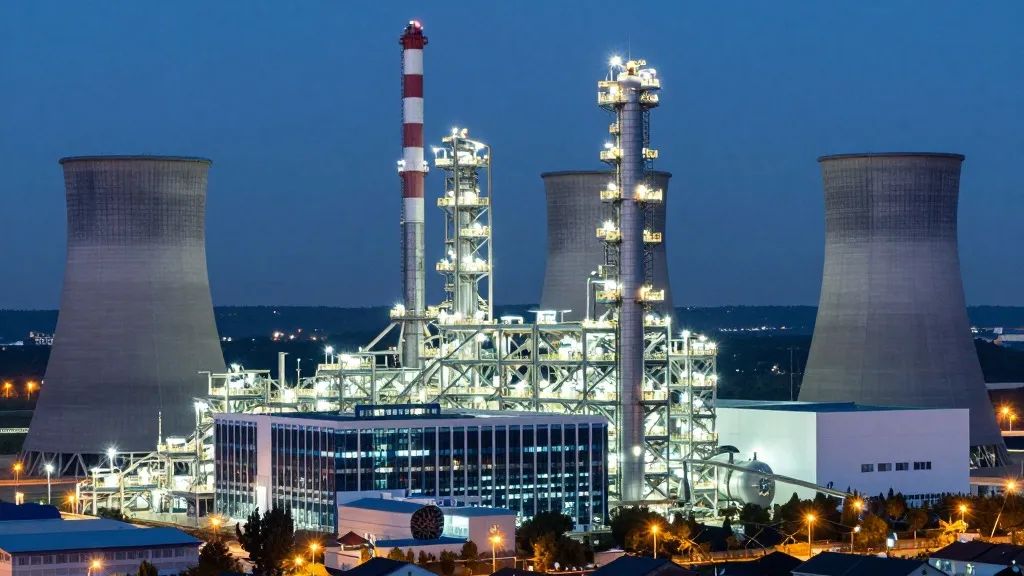
Amazon scraps Virginia AI data center plans amid local pushback
The tech giant will convert the Loudoun County site into housing and community spaces after residents objected to the facility's energy demands.
By Valentina Cruz ·
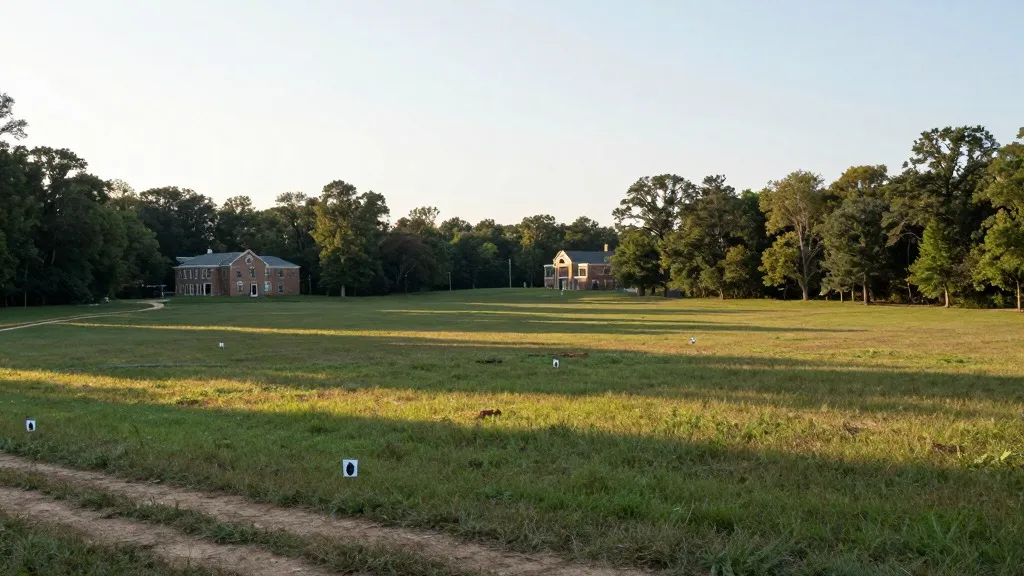
The rapid expansion of artificial intelligence infrastructure has frequently collided with local concerns over energy consumption and noise, creating a new template for how major tech companies navigate land use disputes. In a significant shift that highlights these growing tensions, Amazon has announced it will abandon its proposal to construct four new data centers on a 122-acre parcel in Loudoun County, Virginia, a region already known for its high concentration of such facilities.
Instead of building the computational hubs, the company plans to repurpose the majority of the former George Washington University campus site for mixed-use and residential development. As part of the revised agreement, Amazon will donate 25 acres of the property to Loudoun County for the construction of a community arts center and a new recreational facility. Additionally, the company has committed a $5 million contribution to the county’s housing fund, aiming to support the development of attainable homes for working families.
This decision represents a notable reversal for Amazon, which originally submitted its proposal in July of this year. The change follows a period of intense scrutiny from the local community, who raised concerns about the operational noise of data centers and the substantial power requirements they impose on the local grid. The friction led to a meeting in September between Amazon leadership and Phyllis J. Randall, the Chair of the Loudoun County Board of Supervisors, during which county officials suggested that an alternative use for the land might be more beneficial for the region.
Josh Weissman, Amazon’s vice president responsible for data center development, explained the company's reasoning in a statement. He noted that while Amazon initially viewed the opportunity to purchase the campus as a strong strategic move, the company ultimately prioritized the county's specific concerns regarding development at that particular location. Weissman acknowledged that the company and the county viewed the property's legal development potential differently, but he concluded that reaching a shared vision was preferable to engaging in costly litigation.
The move occurs against a backdrop of increasing demand for larger data facilities driven by the boom in AI usage. While cloud services have long required significant infrastructure, the recent surge in AI has intensified the need for power, leading to opposition from communities wary of rising electricity prices and environmental impacts. In response to these pressures, President Donald Trump recently called for data center builders to pay local communities a dividend to offset energy-related price increases, suggesting that these facilities should generate their own power and sell excess energy back to the grid.
County officials have framed the outcome as a success of collaborative governance. In a public statement, Randall emphasized that choosing dialogue over reflexive disagreement allowed the county to secure new gathering spaces and recreational opportunities for residents. She highlighted the provision of more attainable housing for working families as a primary benefit of the agreement, suggesting that the compromise addressed key local priorities that a standard data center buildout might have overlooked.
The stakes of this decision extend beyond a single county, illustrating the broader challenges of integrating massive AI infrastructure into existing urban and suburban landscapes. As demand for computing power continues to outpace traditional infrastructure planning, the balance between technological growth and local quality of life has become a central issue. Amazon’s withdrawal from the Loudoun County site signals that even industry giants may need to adapt their expansion strategies to accommodate the practical and political realities of the communities they seek to serve.
For now, the 122-acre site will transition from a planned hub of digital computation to a mixed-use development focused on residential and community needs. This shift underscores the evolving relationship between tech companies and local governments, where the sheer scale of AI investment is increasingly subject to local scrutiny and negotiation.
Source: Tom's Hardware