Folding Phone Surge: Apple Expands iPhone Duo Production
Apple has significantly increased manufacturing targets for its new folding device after facing immediate shipping delays during the pre-order phase.
By Isabella Morales ·
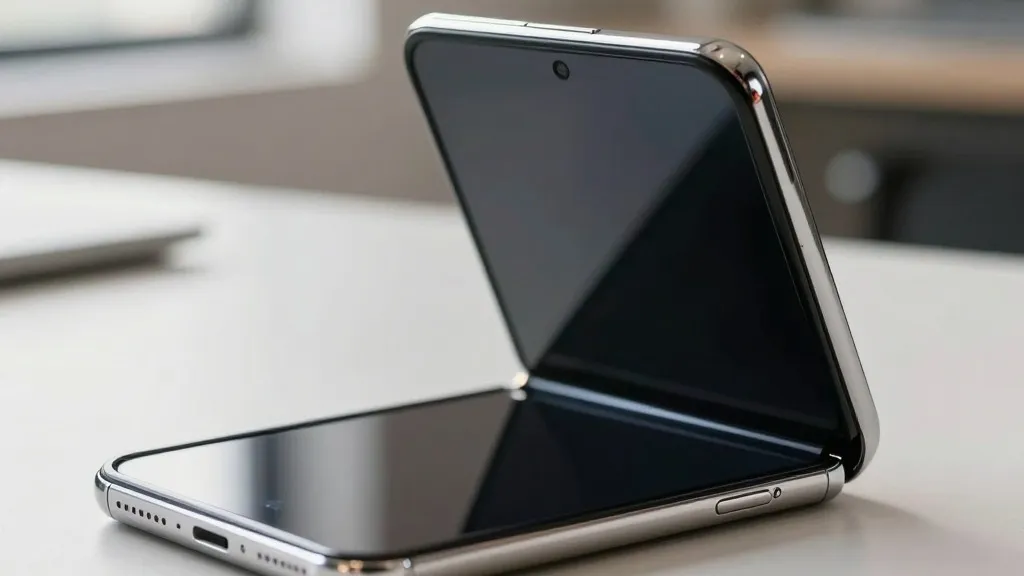
Apple has raised its production targets for the iPhone Duo by more than 40% to meet intense consumer interest. Supply chain sources indicate that the company has adjusted its shipment goals for the first twelve months upward, moving from an initial estimate of 9.7 million units to a revised figure of 14 million. This significant increase in manufacturing output appears to be a direct response to the overwhelming response generated when pre-orders for the device began.
The timeline of these events began on Friday, when the pre-order window officially opened. Almost immediately, customers noticed that their estimated delivery dates were extended, with some orders showing potential arrival times stretching into late January. While such delays can sometimes indicate supply chain bottlenecks, Apple attributed the shift to what it termed "extraordinary" demand. It is worth noting that the company frequently uses this specific phrasing during the launch period for its standard iPhone models, which initially created some ambiguity regarding the true scale of the interest.
To manage the influx of orders and mitigate the risk of resellers securing large quantities, Apple implemented a purchase limit of two devices per customer. As the days following the launch progressed, some early buyers began receiving notifications with earlier estimated shipping dates. This adjustment in logistics aligns with recent reports from DigiTimes, which cite supply chain sources confirming that Apple is actively ramping up production to stabilize delivery timelines.
The iPhone Duo represents Apple’s first entry into the folding smartphone market, a sector that has seen growing competition in recent years. The device’s unique form factor requires software and hardware adjustments that distinguish it from the company’s previous rectangular devices. Consequently, the initial rollout has presented specific technical challenges for both the manufacturer and the developers who support it.
Early adopters have had to navigate an ecosystem where third-party applications are not yet fully optimized for the new hardware. However, Apple states that the situation is improving rapidly as developers integrate support for the device. Initial reviews from users who have had the phone for one week consistently highlight app compatibility as a primary area for attention, alongside other key features of the device.
One notable design choice in the current model was the inclusion of Touch ID, a move seen by some as a step back from the facial recognition technology found in previous iPhones. This decision has drawn particular attention in the early feedback. Looking ahead, reports suggest that Apple is already testing prototypes for a second-generation iPhone Duo that would feature Face ID, indicating a potential shift in biometric security strategy for future iterations of the folding line.
As the company works to meet its new 14-million-unit target, the focus remains on balancing rapid production with software refinement. The success of the initial launch period will likely dictate the pace of future updates and the extent of developer support in the coming months.
Source: 9to5Mac