Nvidia Drones Become Holiday Sensation
Viral keynote footage of robotic ducks drove preorders past 20,000 units, positioning the gadgets as top contenders for the upcoming holiday season.
By Samir Nasser ·
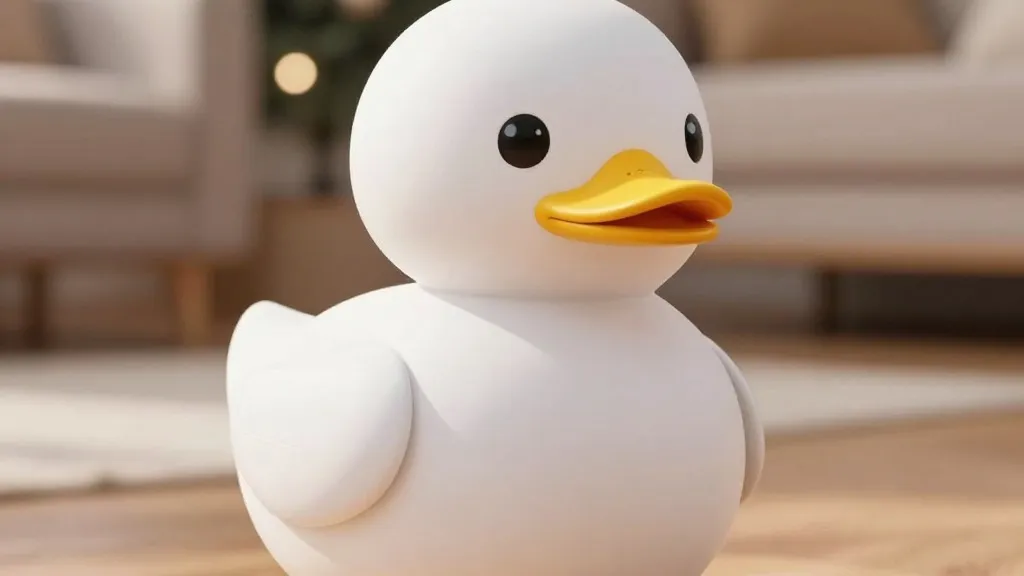
A small group of robotic ducks has captured the public imagination, transforming from a niche hardware demo into a potential holiday phenomenon. The surge in popularity was triggered by a video that circulated widely on social media earlier this week. The clip shows Jensen Huang, the chief executive of Nvidia, interacting with a flock of Microducks during his keynote address at the GTC Berlin conference. The footage has since become a viral sensation, drawing attention away from the more serious technical discussions typically associated with the event.
The robots featured in the video are compact devices designed to mimic the movements of real ducks. They are capable of stomping their feet, sitting, and even performing somersaults when issued specific voice commands. A distinctive feature of the Microducks is their ability to simulate sleep. When commanded to rest, they fall over and remain motionless, appearing as if they have fallen into a deep nap. The devices also produce small, high-pitched sounds reminiscent of the droid R2-D2 from the Star Wars franchise, adding to their appeal.
The commercial response to the viral video was immediate and significant. Clem Delangue, the head of Hugging Face, confirmed via a social media post that preorders for the device had exceeded 20,000 units within 24 hours of the keynote. This rapid uptake suggests that the product has struck a chord with consumers who may have been looking for a unique gift option. The speed of the sales increase indicates a strong market interest in consumer robotics that leans heavily on charm and interactive play.
Hugging Face expects the Microducks to reach customers in time for the Christmas holidays. This timing positions the device as a strong candidate for the most popular toy of the season. Delangue has suggested that the Microducks could become the best-selling robot of the year. Notably, he indicated that the device may not be limited to the children's market. Promotional materials for the product feature adults engaging with the robots, suggesting a broad demographic appeal that extends beyond the traditional toy buyer.
The Microducks are the product of Pollen Robotics, a company that was acquired by Hugging Face in 2025. Hugging Face itself was purchased by Nvidia in September of this year. Consequently, the Microducks are now part of the Nvidia corporate family. This is not the first robot to come out of the Hugging Face portfolio. The company previously released the Reachy Mini, another compact robot that gained attention for its design and functionality. The Microducks represent the second major hardware release from the organization since its acquisition.
The technology behind the Microducks relies heavily on Nvidia's own software and hardware stack. The devices were trained using simulation environments where they learned basic motor skills. These pre-loaded tricks include walking, sitting, and standing. The open-source nature of the device allows for further customization. Pollen Robotics states that owners can train their specific units to learn new behaviors. These custom tricks can then be shared with the wider community, fostering a collaborative approach to the development of the robot's capabilities.
The rise of the Microducks provides a moment of levity in a tech industry that has faced significant scrutiny this week. The sector has been dealing with a series of cyberattacks, many of which have been attributed to the involvement of artificial intelligence systems. This week has been marked by concerns over the potential risks associated with rapid AI deployment. The popularity of the Microducks offers a counter-narrative, highlighting the fun and accessible side of the technology. For many observers, the video serves as a refreshing break from the more complex and sometimes alarming discussions surrounding AI's impact on global security.
The combination of visual appeal and interactive functionality has made the Microducks a standout product. The fact that the CEO of a major technology company was seen enjoying the devices personally adds a layer of endorsement that resonates with consumers. The devices are not just functional tools but also sources of entertainment. As the holiday season approaches, the Microducks are well-positioned to capture a significant share of the market. Their success underscores a growing trend in consumer electronics where emotional connection and playful design are key drivers of sales.
The open-source model of the Microducks also invites a degree of user engagement that is rare in consumer gadgets. By allowing owners to train and share new tricks, the device becomes a platform for creativity rather than just a finished product. This aspect may contribute to its longevity and continued popularity beyond the initial holiday rush. The integration of Nvidia's technology ensures that the devices are backed by a powerful ecosystem, providing a foundation for future updates and enhancements. As preorders continue to accumulate, the Microducks are set to make a significant mark on the consumer robotics landscape.
In summary, the Microducks have transitioned from a demonstration tool to a consumer favorite in a matter of days. The viral video featuring Jensen Huang played a pivotal role in this shift. The device's cute design, interactive features, and backing from major tech companies have created a perfect storm of interest. With deliveries expected before Christmas, the Microducks are poised to be a defining product of the holiday season. Their success highlights the power of viral marketing and the enduring appeal of technology that brings joy to its users.
Source: TechCrunch