Spacecraft funding and lunar fueling challenges
A Canadian startup seeks major capital while a Spanish rocket nears readiness and NASA weighs complex lunar logistics.
By Noor Haddad ·
The aerospace sector continues to navigate a period of intense transition, marked by strategic shifts in contract acquisition and significant hurdles in deep-space logistics.
In a notable development this week, SpaceX reportedly declined three military launch contracts offered by the US Space Force. This decision signals a potential pivot in how the company allocates its heavy-lift capabilities, suggesting a preference for other priorities over immediate military commitments.
Simultaneously, attention turned to the complexities of crewed lunar missions. A NASA safety panel indicated that the company's Starship vehicle might require as many as 22 in-orbit refueling operations to successfully support a landing on the Moon. This high number of transfers underscores the technical difficulty of accumulating the vast amount of propellant needed for such a distant journey.
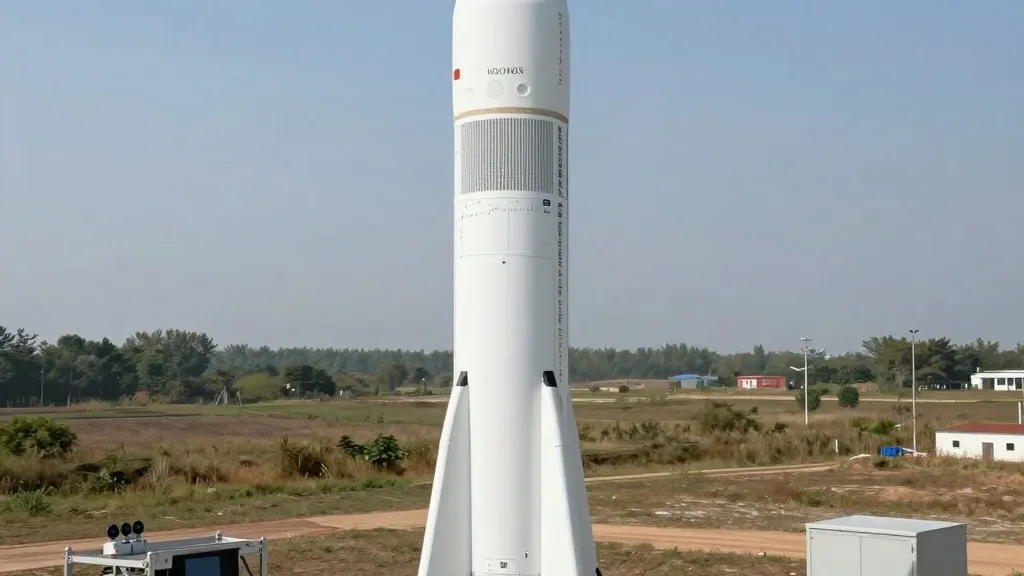
On the international stage, Spanish rocket manufacturer PLD Space is nearing the final integration of its Miura 5 vehicle. The company has completed the manufacture of three units, with two designated for qualifying key system elements and the third intended for the inaugural flight. CEO Raúl Torres noted that producing these vehicles allowed teams to apply lessons from qualification campaigns directly to the launch vehicle. One second stage is now fully integrated and located at the Teruel test facility, where it is undergoing system-level testing, including a wet dress rehearsal and a static hot-fire test.
PLD Space currently targets a first flight for the small-lift vehicle before mid-2027. The progress reflects a steady maturation of the program as it moves from component validation to full-stack integration.
Meanwhile, the Canadian launch startup Reaction Dynamics is seeking to raise $350 million to significantly expand its workforce. The company aims to grow its staff from 68 employees to more than 350. This capital injection is intended to support the development of its Aurora small-lift rocket, which is slated to reach orbit in 2028. Additionally, the company has announced plans to develop a medium-lift rocket named Borealis, with a debut targeted for 2031.
These concurrent developments highlight the diverse paths taken by different players in the industry, from established giants managing contract portfolios to emerging startups scaling up for future launches.
Source: Ars Technica