Tesla Reports 1.74 Million FSD Users, a Metric Tied to Musk's Compensation
The automaker's latest shareholder letter reveals that its software subscription count includes one-time buyers, a definition that aligns with the CEO's 2025 performance targets.
By Neha Iyer ·
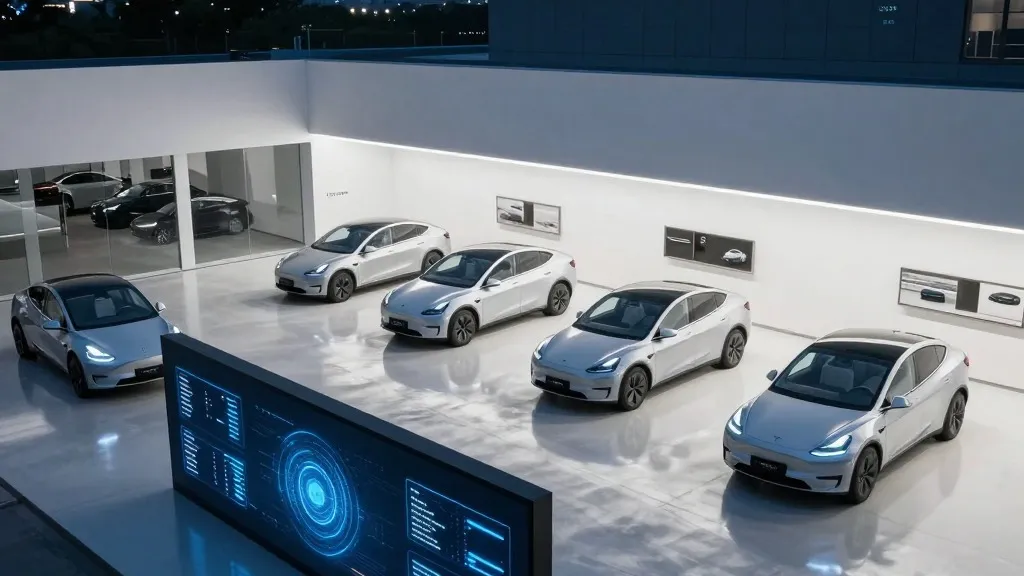
Tesla disclosed on Tuesday that it has reached 1.74 million active Full Self-Driving subscriptions, a figure that represents a 67% increase from the same period last year. This milestone is significant for the market because the specific methodology used to calculate this number mirrors the operational targets set for Elon Musk’s 2025 CEO Performance Award.
The company clarified in a footnote within its Q3 2026 shareholder letter that the metric is designed to follow the terms of the executive compensation package. Consequently, the count includes both customers who pay a monthly fee and those who purchased the software as a one-time upfront payment. This broad definition means that owners who bought the software years ago, some for as much as $15,000, continue to be tallied as active subscribers as long as their vehicles remain on the road.
This accounting method becomes particularly relevant when considering the hurdles Musk must clear to secure his compensation. One of the key milestones in his pay package requires Tesla to achieve 10 million active FSD subscriptions. By including upfront purchasers in this total, the company presents a larger user base than if it were to count only those paying the current $99 monthly fee. This distinction is material because hundreds of thousands of these counted users were originally sold the promise of unsupervised self-driving, a feature the company has not yet fully delivered.
Tesla ceased selling FSD as a one-time purchase on February 14, 2026. Since that date, new customers in the US have been limited to the monthly subscription model. However, the existing base of upfront buyers remains a permanent part of the active subscription count, with the only exclusion being vehicles on free trials. Despite reporting a total of 1.28 million under this definition in April, Tesla has yet to specify how many of the current 1.74 million are actually paying monthly fees.
The shareholder letter applies a similar logic to the company’s cumulative delivery figures, which now stand at 10.2 million. To align with the 20 million vehicle milestone in the pay package, this number includes any unsupervised Robotaxis placed into commercial operation. The company also highlighted a strong performance in North America, stating that more than 75% of new deliveries in Q3 included FSD subscriptions, marking a nearly 20 percentage point increase from the previous quarter. Tesla attributes this growth to FSD driving demand in markets where it is available, though the letter does not define whether this attach rate accounts for introductory offers or long-term retention.
Musk’s compensation package is structured into 12 tranches, each requiring both a market capitalization milestone and a specific operational achievement. These operational targets include delivering 20 million vehicles, achieving 10 million active FSD subscriptions, deploying 1 million Optimus robots, and operating 1 million robotaxis. As of June 30, Tesla indicated that only the 20 million delivery target was considered probable. The award remains active until 2035, giving the company a long runway to meet these goals.
In the third quarter, Tesla added 260,000 net FSD subscriptions, its strongest quarterly performance to date. However, if the company maintains this recent pace, it would take approximately eight years to reach the 10 million target. If it averages the growth from the last 12 months, which is roughly 700,000 per year, the timeline extends to nearly 12 years. This suggests that the milestone is a long-term objective rather than an imminent achievement.
The board’s decision to define the metric in this way has drawn attention from investors and analysts. Critics argue that labeling upfront buyers as "subscribers" creates a perception of momentum that may not reflect the recurring revenue stream. While the software is installed on these vehicles, the financial model differs significantly between a one-time $15,000 payment and a recurring $99 monthly charge. The company has not provided a breakdown separating these two groups in its latest report.
Looking ahead, the focus will likely shift to retention rates and the sustainability of the 75% attach rate. If a significant portion of new buyers start with introductory offers and then cancel, the true health of the software business may be lower than the headline number suggests. Tesla will need to demonstrate that its North American customer base remains engaged and willing to pay for the service as the unsupervised driving capability evolves.
For the broader market, this disclosure underscores the intersection of executive compensation and corporate reporting metrics. As Tesla continues to scale its software offerings, investors will likely scrutinize the distinction between installed base and active paying subscribers. The next quarterly report will be watched closely to see if Tesla provides further granularity on the composition of its 1.74 million FSD users.
Source: Electrek