NASA faces a steep climb: 22 Starship launches may be needed for Moon landing
New safety panel estimates suggest that nearly two dozen launches are required to fuel the lunar lander, raising concerns about the timeline for the Artemis program.
By Jian Chen ·
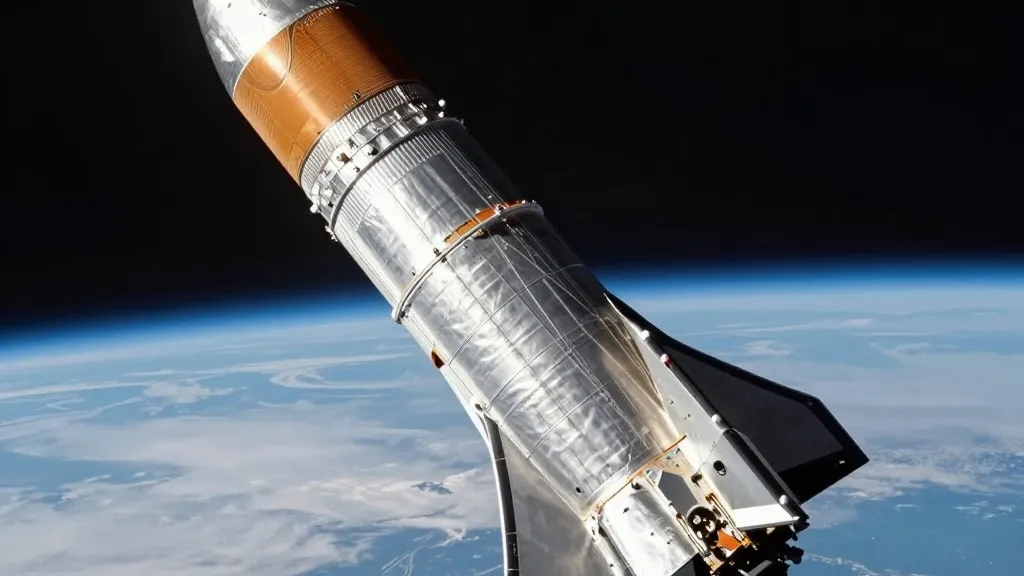
The number of rockets required to send astronauts to the Moon has just gotten significantly higher. At a recent quarterly meeting, members of the NASA Aerospace Safety Advisory Panel indicated that twenty-two launches of SpaceX’s Starship vehicle may be necessary to fully fuel a lunar lander in orbit. This figure represents a substantial increase from previous internal estimates and suggests a much more complex logistical operation than many had hoped.
NASA has historically been tight-lipped about this specific metric, treating it with a level of secrecy usually reserved for nuclear codes. While the agency does not possess or desire nuclear weapons, the count of Starship launches needed to support the Artemis program has been a closely guarded number. The core issue is that the Starship-based lunar lander must be assembled in low-Earth orbit. It requires enough liquid oxygen and methane propellant to travel to the Moon, land on the surface, and then return to lunar orbit.
For years, the agency has avoided giving a precise answer. In 2023, Lisa Watson-Morgan, who was then the director of NASA’s Human Landing System, told reporters that while the agency had a general idea, she was reluctant to specify the exact count. She later described the number as falling in the range of high single digits to low double digits. That earlier estimate implied roughly a dozen launches, which would involve one depot Starship and eleven tanker Starships to load it with fuel.
Some other officials have previously suggested the number could be in the high teens. The underlying hope for these lower figures was that SpaceX would dramatically improve the lift capacity of the Starship rocket. If the vehicle could carry more fuel per flight, the total number of tanker missions required to fill the depot would drop significantly, making the overall operation more manageable and faster.
However, concerns are growing among certain NASA officials that these improvements may not arrive soon enough. There is a worry that the vehicle might not achieve the necessary performance gains in time for Starship to play a meaningful role in returning humans to the Moon within this decade. The recent estimate of twenty-two launches reflects a more conservative view of the current technical realities and the time required to execute the mission safely.
The new estimate emerged during a meeting held on Thursday by the NASA Aerospace Safety Advisory Panel. The group discusses risks associated with major space programs, and this session focused specifically on the challenges of landing humans on the Moon as part of the Artemis initiative. Panel member Charlie Precourt, a former NASA astronaut, spoke about the various risks involved in the program. His comments highlighted the complexity of the task at hand.
The shift to a higher number of required launches has significant implications for the schedule. Each launch must be perfectly executed, and the process of fueling a vehicle in orbit is delicate and time-consuming. With twenty-two flights required, the window for error shrinks, and the duration of the operation in orbit increases. This adds layers of complexity to an already ambitious mission profile that aims to establish a sustainable human presence on the lunar surface.
The Artemis program represents a major step for human exploration, but the logistics of getting there are proving to be a significant hurdle. The reliance on a specific vehicle from a single commercial partner adds another dimension to the planning process. As the agency works to finalize the details of the mission, the focus will remain on ensuring that the fueling operations in orbit are safe and efficient. The goal is to balance the need for caution with the desire to maintain momentum toward a lunar return.
Looking ahead, the agency will need to address these logistical challenges as it moves forward with the Artemis timeline. The number of launches required will likely be a key factor in determining the final schedule for crewed missions. While the goal of landing on the Moon remains unchanged, the path to get there is becoming clearer, and it is a longer, more intricate road than initially envisioned. The coming months will be critical in determining how these new estimates affect the overall strategy for lunar exploration.
Source: Ars Technica