Tesla Cybercab: The robotaxi hits the market before year-end
Tesla confirmed that its two-seater autonomous vehicle will begin private sales to customers by the end of 2026, with most units reserved for the company's own robotaxi fleet.
By Jennifer Paige ·
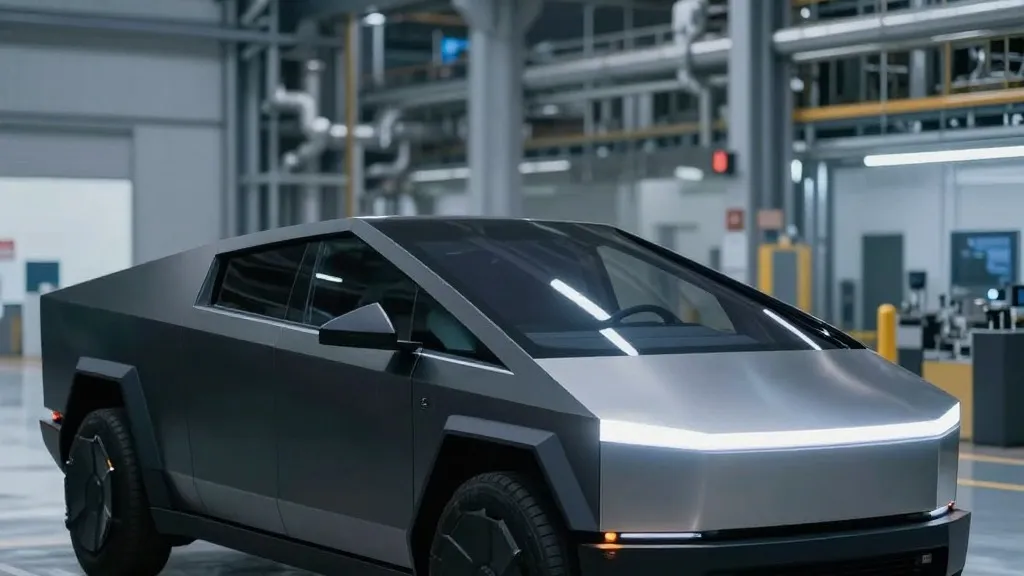
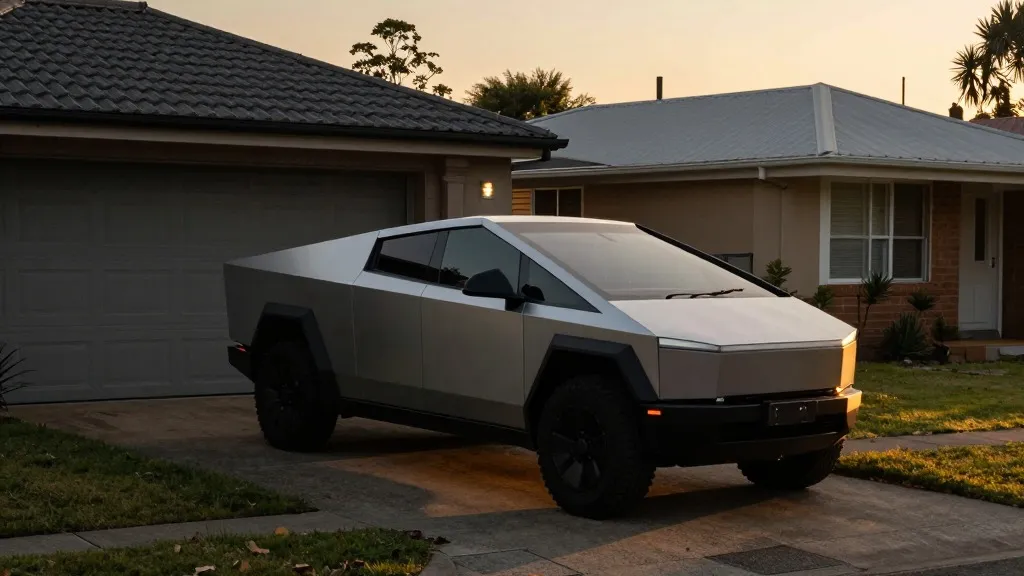
Tesla has finally put a date on the availability of its Cybercab, confirming that the company plans to start delivering the autonomous vehicle to customers before the end of 2026. This announcement, made during the third-quarter earnings call on October 21, puts an end to months of speculation about when the fully driverless car would reach the public. It marks a significant milestone for the automaker as it transitions from testing autonomous tech in its existing fleet to selling a purpose-built robotaxi directly to buyers.
Lars Moravy, Tesla’s Vice President of Engineering, provided the specific timeline during the call. He stated that the goal is to get Cybercabs into the hands of customers by the end of the year. However, he clarified that current production at the Gigafactory in Texas is primarily feeding the company’s internal robotaxi operations. Moravy noted that while the cars are being built, the initial wave of units is being kept within Tesla’s own fleet rather than sold to individual owners immediately.
The strategy involves a gradual rollout of private sales. Moravy explained that as operations scale, the company will start delivering these fully designed autonomous vehicles to the public. The initial number of customer deliveries will be small, allowing Tesla to refine its logistics, ownership models, and fleet management systems. This approach ensures that the company can handle the complexities of managing autonomous vehicles outside of its direct control before expanding sales significantly.
CEO Elon Musk reinforced the idea that the Cybercab is not intended to be a traditional personal vehicle. Unlike the Model 3, Model Y, or the upcoming Roadster, the Cybercab is positioned as a service. Musk described the vehicle as primarily a "transport-as-a-service" offering. He emphasized that the vast majority of Cybercabs will remain owned by Tesla, serving the robotaxi network rather than sitting in private driveways.
The vehicle itself is a two-seater design that lacks a steering wheel and pedals, relying entirely on Tesla’s Full Self-Driving technology. Production of the Cybercab began in February of this year. Early units were integrated into the robotaxi service in early September, coinciding with the launch of public rides. Tesla had previously indicated that the target price for these vehicles would be around $30,000, making them accessible for both fleet operators and potential private buyers.
Looking ahead, the broader rollout of unsupervised Full Self-Driving to consumer cars is expected in the second quarter of 2027. Ashok Elluswamy, Tesla’s Head of AI, provided this timeline during the earnings call. This suggests that while the Cybercab is leading the charge for private autonomous sales, the wider adoption of driverless technology in Tesla’s other models will follow in the coming year.
Despite the clear timeline, there are still hurdles to clear before deliveries begin in earnest. Early buyers or fleet operators may face geographically restricted autonomous operation due to the pace of regulatory approvals. As Tesla moves from its internal fleet to external customers, it must navigate these regulatory landscapes to ensure that the autonomous driving capabilities work seamlessly in different regions.
Source: Teslarati