Tesla FSD Update: Unsupervised Mode Delayed to 2027
Tesla owners can soon add their cars to the company's robotaxi network, but only within specific, limited service areas.
By Jayden Sweiler ·
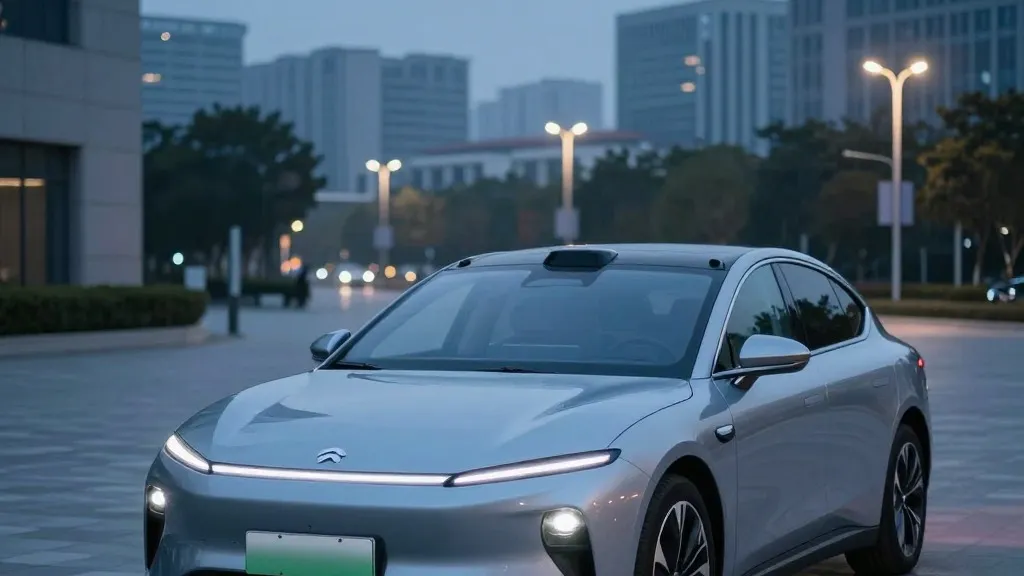
Tesla has officially set a new target for its unsupervised Full Self-Driving technology to reach customer-owned vehicles. The company now points to the second quarter of 2027 for this feature. However, the release will not be a universal update that allows cars to drive anywhere. Instead, owners will be able to add their personal vehicles to Tesla's managed robotaxi fleet. This means the cars will only drive themselves when they are inside the specific zones where Tesla already operates its ride-hailing service.
The road to this announcement has been long and often confusing for buyers. For nearly a decade, Tesla has promised that a software update would eventually let cars drive themselves without human supervision. In July 2025, CEO Elon Musk told investors that this capability would be available for personal use by the end of that year in certain areas. A year before that, he suggested the technology would be ready by 2025. Many customers purchased the system with the expectation that it would handle all driving tasks, including highway trips and long commutes, once fully deployed.
During the Q3 2026 earnings call, Ashok Elluswamy, Tesla's AI chief, clarified the current plan. He explained that the next step is not a standalone software update for daily use. Rather, it is a way for owners to contribute their cars to the robotaxi network. This network currently operates in six US metropolitan areas. In cities like Miami, Orlando, and Tampa, the service areas are quite small. For example, the Miami zone covers mostly West Miami and a strip toward Doral and Sweetwater. The system generally sticks to low-speed routes and avoids highways. In the Bay Area, the service is not yet fully unsupervised because California rules still require a safety driver in the vehicle.
The scale of the current robotaxi operation is also modest. Tesla reported reaching nearly 2 million cumulative unsupervised miles by the end of the third quarter. This milestone came one month after the Cybercab joined the fleet in Austin. Third-party tracking from earlier this year showed that only dozens of fully driverless Teslas were on the road, a small number compared to the hundreds of thousands Musk had previously discussed. Competitor Waymo was already operating in Orlando and Tampa before Tesla entered those markets and has logged over 3 million miles.
Looking ahead, the company says safety is the main bottleneck preventing wider expansion. Elluswamy noted that Tesla limits its operations to low-speed roads and simpler environments to manage risk. He believes these safety issues will be resolved by next year, though he admitted the timeline is an estimate. For now, the product is narrower than the original pitch. Owners will be able to use their cars as robotaxis within Tesla's controlled geofences, but they will not be able to use the unsupervised mode for arbitrary trips across town or on highway road trips. This shift marks a significant change from the original promise of a car that drives you anywhere.
Source: Electrek